Reducing Skin Booster Injection Pain, Part 1: Choosing Numbing Cream
Part 1: How to Reduce Pain from Skin Boosters | The type of numbing cream is more important than you think.
Hello, I'm Dr. Ha Jaeseon, medical director of PO:VE Clinic.
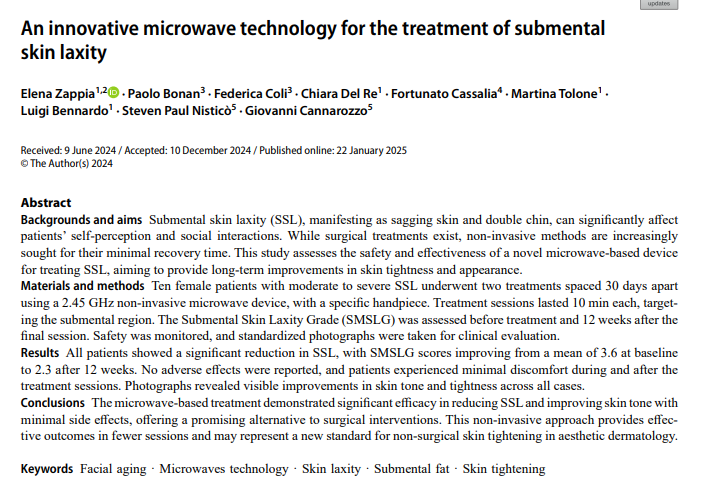
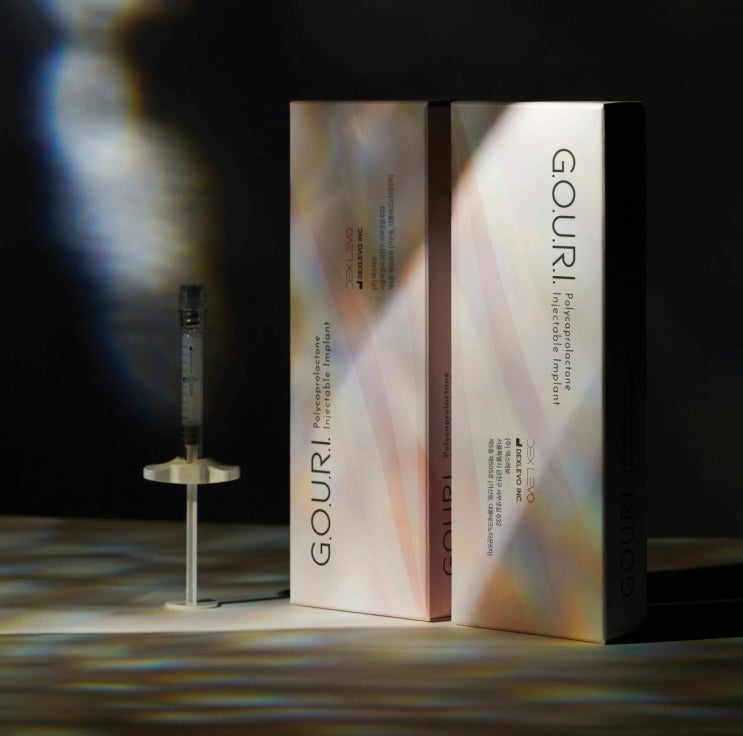
Nowadays, there are many types of skin boosters such as Rejuran, Rituo, Hyalowave, Gouri, etc.
If there's one common thing among these injection procedures, it's that they are incredibly painful.
I myself have wanted to get them often, but I hesitated because I was afraid of the pain.
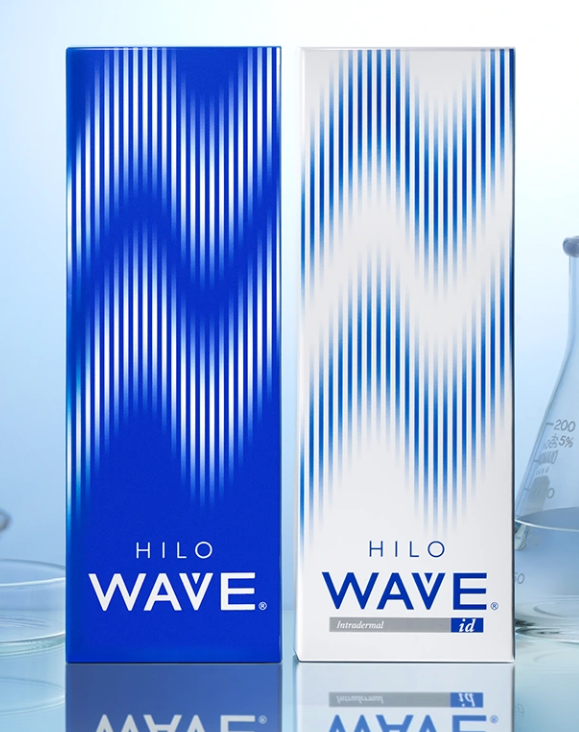
Today, I'd like to talk about how to reduce the pain a little more during skin booster procedures like the ones mentioned above.
When it comes to reducing the pain of cosmetic procedures,
the type of numbing cream is more important than you think.
Most clinics typically use a lidocaine-only preparation at a concentration of 9.6%.
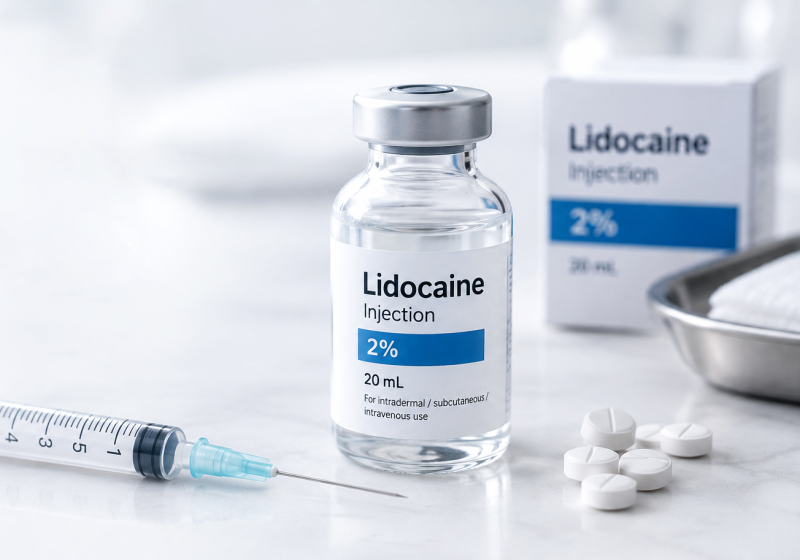
This is often because this medication is the cheapest, and many other clinics use it, so it's often used out of habit.
However, research results show that combination preparations mixed with other ingredients are much more effective for numbing than lidocaine-only preparations.
According to clinical data from the U.S. Food and Drug Administration (FDA), combination preparations show a much more effective analgesic effect than lidocaine-only preparations.
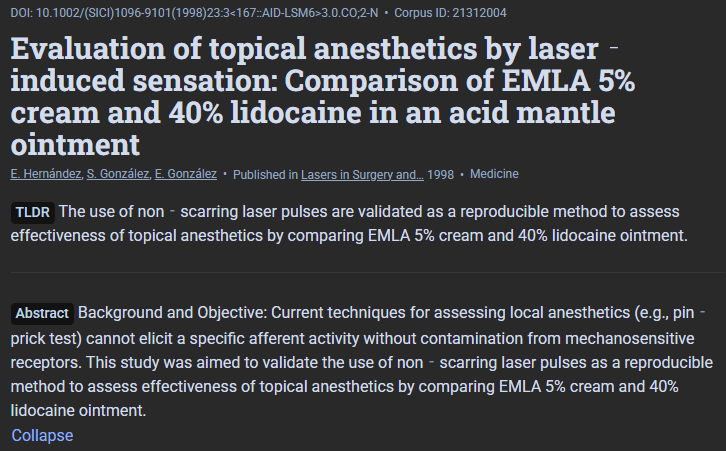
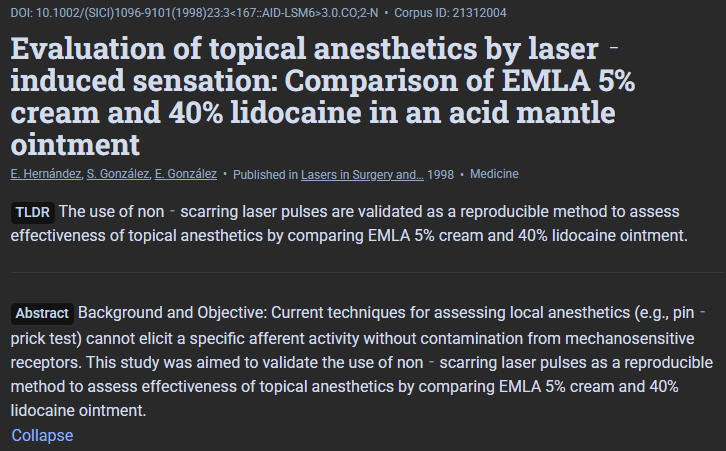
Also, in studies like "Evaluation of Topical Anesthetics by Laser-Induced Sensation: Comparison of EMLA 5% Cream and 40% Lidocaine in an Acid Mantle Ointment," it was confirmed that a 5% concentration combination preparation showed a superior numbing effect compared to a 40% concentration lidocaine-only preparation.
If even 40% lidocaine is like that, then there's no need to even mention the 9.6% lidocaine commonly used in cosmetic clinics...?
I often conduct pain tests at the clinic to see how much less painful it is.
I do this by dividing the face in half and applying different numbing creams to each side for pain testing.
The results were clear. The side where I applied our clinic's numbing cream (combination preparation) was significantly less painful during the procedure.
I've done self-tests, and I've mobilized my family members, including my father and wife, to test it, and the side where the combination preparation was applied was definitely less painful. (I am always sorry and grateful to my family members who willingly became guinea pigs.)
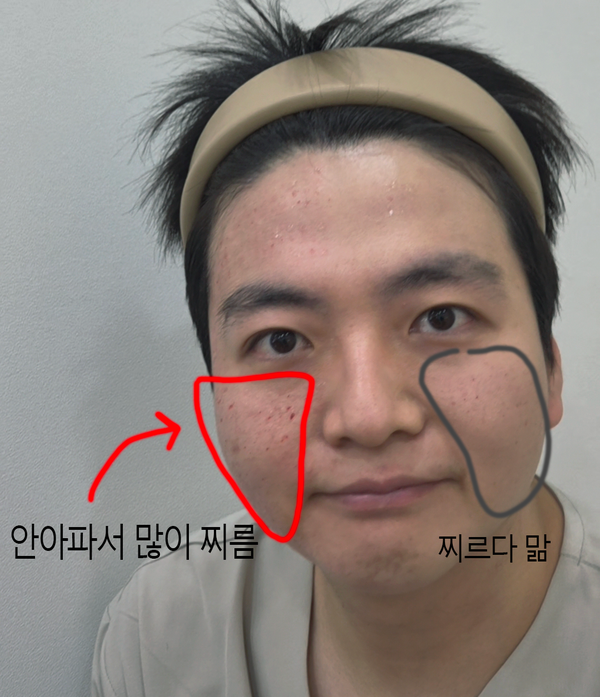
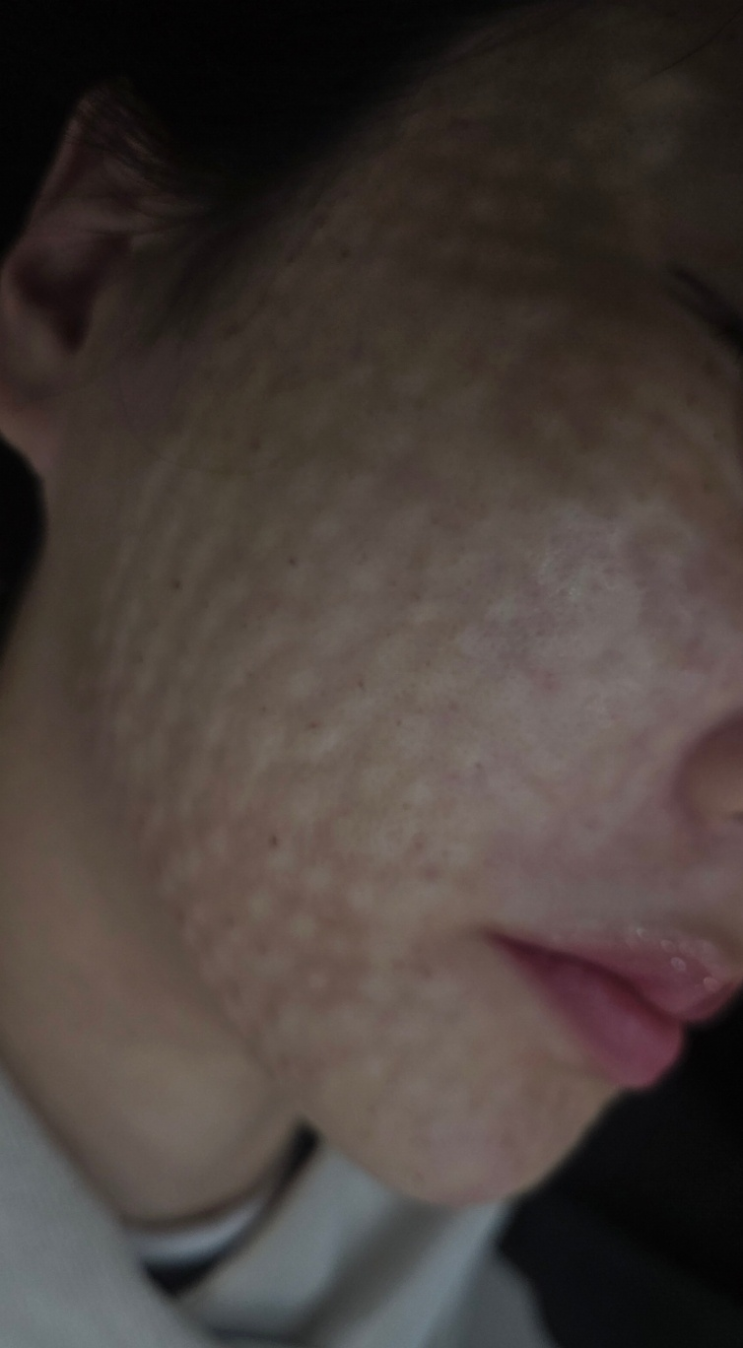
The reason we decided to proceed with anesthesia using a slightly special numbing cream is because we conducted these repeated clinical tests (??). Hahaha (Sorry for the sudden photo.)
However, the type of numbing cream alone cannot completely reduce the pain of the procedure.
Only when other factors are combined can a comfortable procedure without pain concerns be achieved.
In the next part, I will discuss how the depth of anesthesia changes depending on the application time and thickness, even with the same numbing cream.